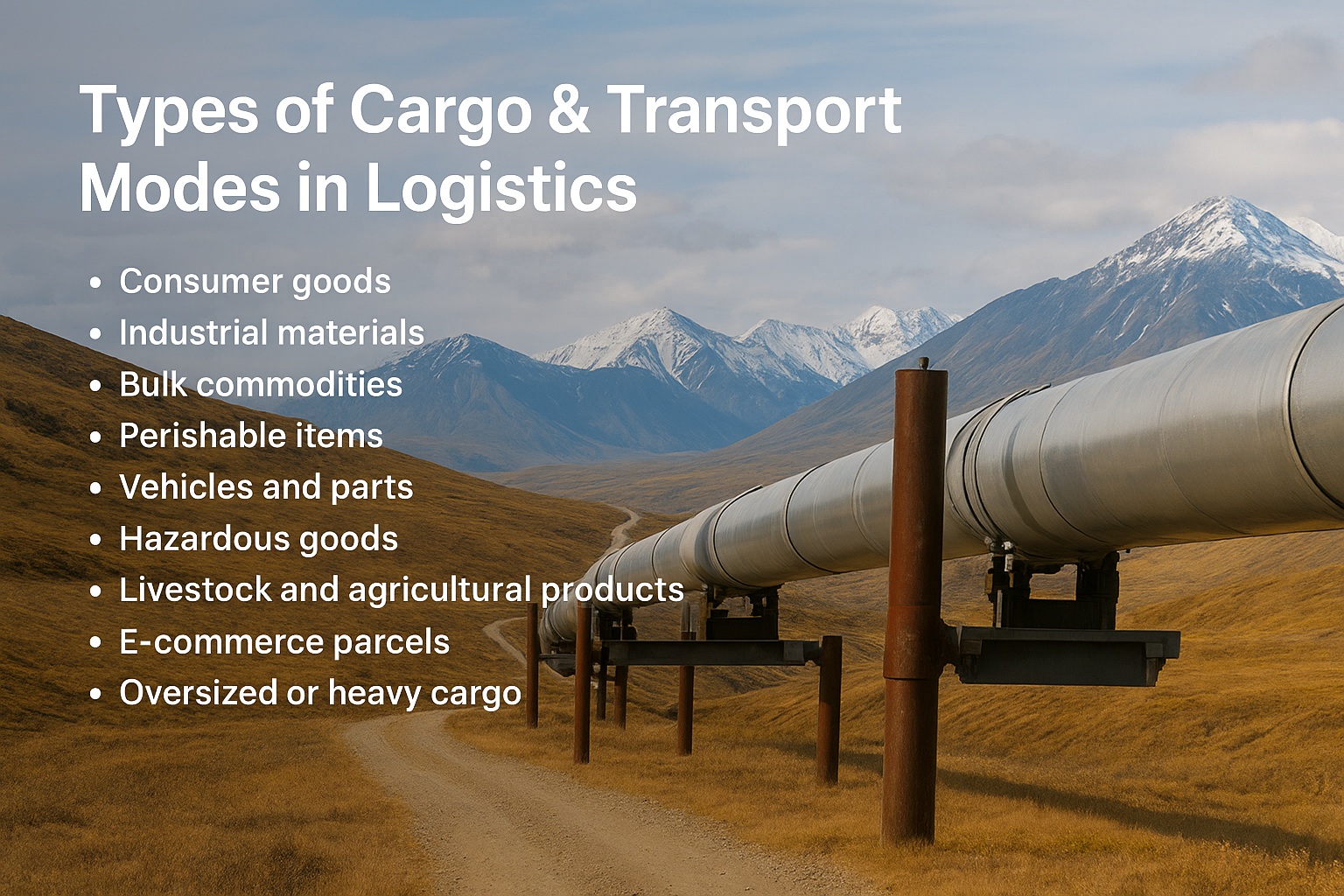
In the world of logistics, the movement of goods doesn’t just happen — it’s a complex, well-coordinated system that connects producers, suppliers, and consumers across the globe. From everyday consumer products to massive industrial equipment, every type of cargo has its own handling, packaging, and transportation needs.
Let’s explore the main types of cargo in logistics and understand how various transportation modes ensure their safe and efficient delivery.
1. Consumer Goods: Everyday Essentials on the Move
Consumer goods are among the most common types of cargo, including clothing, electronics, furniture, and packaged foods. These items flow continuously through global supply chains — from manufacturers to retail shelves and online marketplaces.
Transportation flexibility is key for consumer goods. They typically move via road, air, rail, and sea, depending on factors like cost, urgency, and destination. Efficient packaging, inventory tracking, and warehouse management systems help maintain speed and accuracy in delivery — especially in today’s e-commerce-driven economy.
2. Industrial Materials: The Backbone of Manufacturing
Industrial cargo includes machinery, tools, metals, construction materials, and chemicals — the building blocks of infrastructure and industry.
These materials often travel by road, rail, and sea freight, as they tend to be large, heavy, or hazardous. Freight forwarders and logistics companies play a crucial role in ensuring compliance with international safety and customs regulations while optimizing routes to minimize cost and transit time.
Well-planned industrial logistics supports continuous production cycles and timely project completion.
3. Bulk Commodities: The Power Behind Global Trade
Bulk commodities such as coal, grains, fertilizers, minerals, and crude oil are shipped in massive quantities that fuel industries worldwide.
This type of cargo typically uses ships, trains, and pipelines — systems built for large-scale, continuous movement. Efficient handling of bulk goods requires specialized infrastructure like silos, storage tanks, and conveyor systems.
For exporters and importers, managing bulk logistics efficiently can significantly reduce transportation costs and enhance sustainability.
4. Perishable Goods: The Cold Chain Advantage
Perishable cargo — including fresh produce, seafood, pharmaceuticals, and flowers — demands precise temperature control throughout its journey.
This is where cold chain logistics comes in. Using refrigerated trucks, containers, and air freight, companies can maintain quality and safety from origin to destination. The rise in global food exports and healthcare logistics has made cold chain management one of the fastest-growing sectors in logistics.
A single temperature drop or delay can lead to product spoilage, making real-time tracking and temperature monitoring technologies critical.
5. Vehicles and Auto Parts: Driving Global Movement
The automotive industry relies heavily on logistics for transporting vehicles, spare parts, and heavy machinery.
Cars and machinery often move by road, rail, and ocean containers, using roll-on/roll-off (Ro-Ro) vessels or specialized trailers. Timely delivery of parts keeps assembly lines running efficiently, while global coordination ensures smooth trade between manufacturers and distributors.
6. Hazardous Goods: Safety First
Hazardous cargo includes chemicals, batteries, flammable gases, and radioactive materials — all requiring strict compliance with international safety laws.
Such goods move under regulated transport conditions, with specialized packaging, labeling, and documentation. Logistics providers handling hazardous goods must be trained and certified to ensure safe loading, transit, and unloading while minimizing environmental risks.
7. Livestock and Agricultural Products: Sensitive and Specialized Cargo
Transporting live animals or agricultural produce calls for care, precision, and compliance. Livestock moves through specialized vehicles, rail, and ships, ensuring proper ventilation, feeding, and comfort.
Similarly, agricultural logistics requires careful temperature and humidity management to prevent spoilage. This segment plays a vital role in supporting farmers, exporters, and the global food supply chain.
8. E-commerce Parcels: The Last-Mile Revolution
E-commerce has reshaped cargo logistics entirely. Millions of parcels now move daily through courier, road, air, and even drone networks.
Speed, accuracy, and tracking transparency are essential for customer satisfaction. Efficient last-mile delivery systems and automated warehouses have become the backbone of online retail logistics.
9. Oversized or Heavy Cargo: Engineering the Impossible
From wind turbines to factory equipment and infrastructure components, oversized cargo demands advanced logistics planning.
This type of cargo is transported using multimodal logistics — combining road, rail, and sea routes — and often requires route surveys, escorts, and heavy-lift cranes.
Such projects showcase the innovation and precision of the logistics industry at its best.
Major Modes of Transportation in Logistics
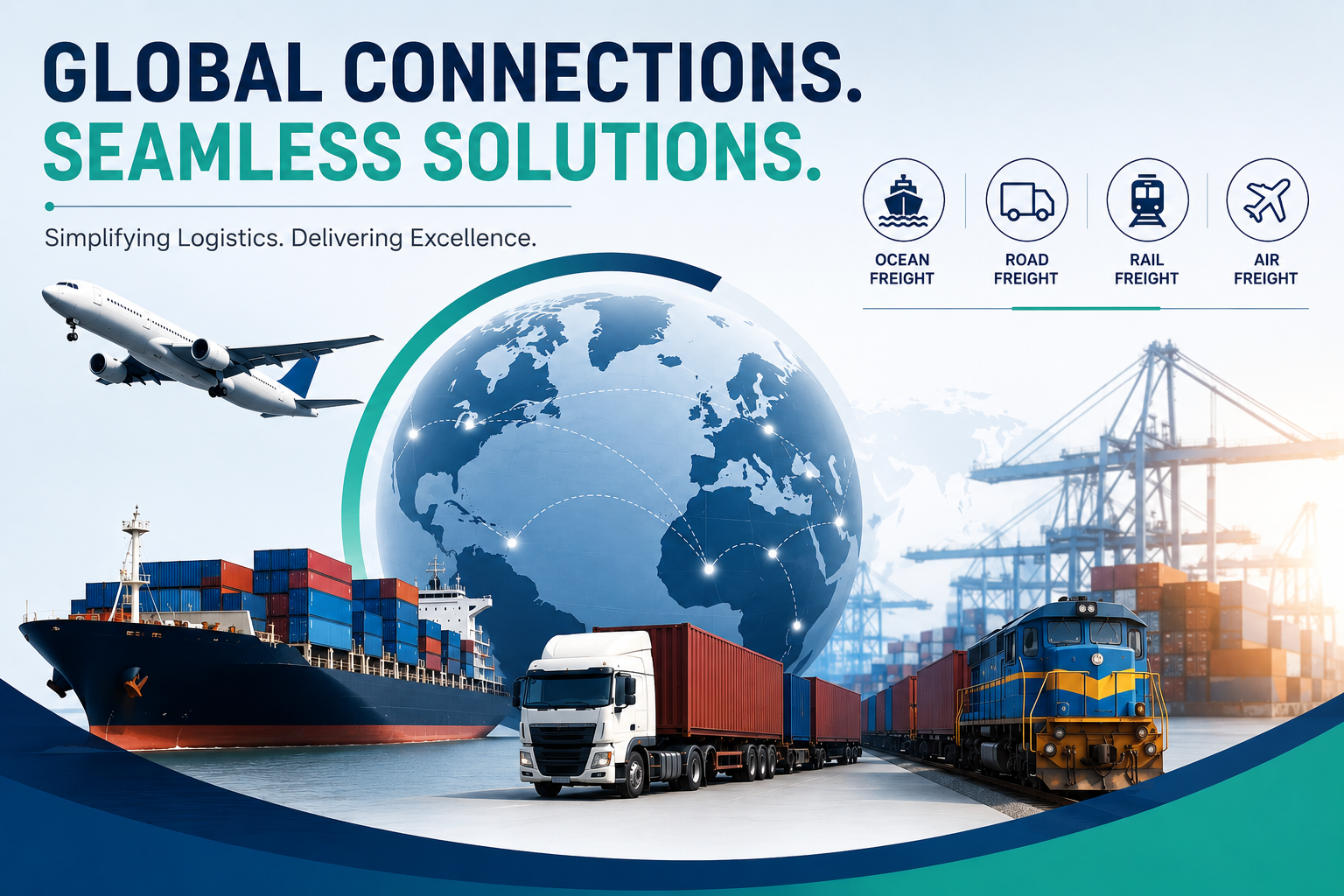
Each cargo type aligns best with a specific transport mode:
- Road Transport: Flexible and door-to-door, ideal for perishable and consumer goods.
- Rail Transport: Efficient for large quantities of bulk or container cargo over long inland distances.
- Sea Transport: The most economical option for international trade and heavy cargo.
- Air Transport: Perfect for high-value, urgent, or perishable shipments.
Modern logistics increasingly uses multimodal transport, combining trucks, trains, ships, and planes to maximize speed, cost-efficiency, and sustainability.
Final Thoughts
Cargo logistics isn’t just about moving goods — it’s about managing time, safety, and reliability at every step. From everyday consumer items to heavy industrial projects, understanding the types of cargo and their ideal transport modes helps businesses design smarter, faster, and more sustainable supply chains.
At Globizz Synergy, we understand these nuances — helping businesses streamline global trade with end-to-end logistics expertise and reliable freight solutions.