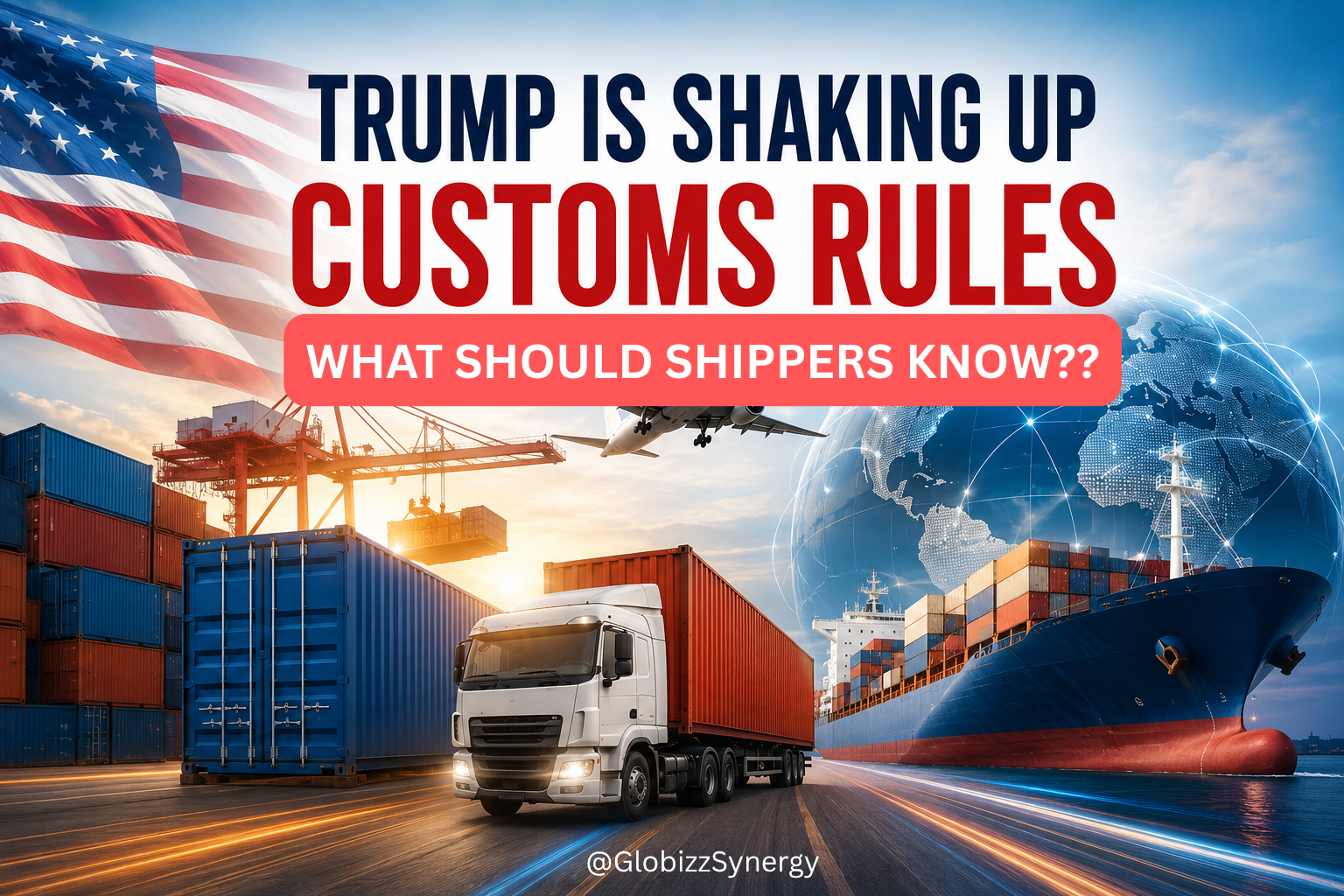
U.S. customs compliance is entering a tougher new phase. For importers, exporters, freight forwarders, and global shippers, recent policy changes under the Trump administration are putting greater emphasis on importer accountability, supply-chain transparency, documentation, and customs compliance.
The latest measures could significantly affect how companies move goods into the United States. Businesses that previously relied on simplified processes or overseas importer structures may need to reassess their customs strategy.
So, what exactly is changing—and what should shippers do now?
1. Stricter Rules for Importers of Record
One of the biggest changes involves the Importer of Record (IOR).
Under the June 2026 executive order on strengthening customs enforcement, the U.S. government directed the Department of Homeland Security and U.S. Customs and Border Protection (CBP) to revise importer eligibility requirements.
The changes include requirements for IORs to maintain minimum levels of tangible U.S. assets, bonding, or both. The government is also moving toward enhanced vetting of parties involved in importing, including foreign IORs, customs brokers, freight forwarders, and other entities.
What this means for shippers
Companies using foreign entities or complex IOR structures should review:
- Who is listed as the Importer of Record?
- Does the IOR have sufficient U.S. presence and financial backing?
- Are customs bonds adequate?
- Are ownership and company details accurate?
- Can the IOR remain compliant under the new requirements?
For international businesses selling into the U.S., choosing the right IOR structure is becoming increasingly important.
2. More Supply-Chain Information May Be Required
Customs compliance is moving beyond simply declaring the value and classification of a shipment.
The new enforcement framework calls for greater import disclosure and certification, including information related to foreign business identifiers, supply-chain details, manufacturers, product specifications, and production methods.
This means shippers may need better visibility into their entire supply chain.
For example, businesses may need to know:
Who manufactured the product? → Where was it manufactured? → What materials were used? → What is the product’s classification? → What is its country of origin?
If this information is incomplete or inconsistent, customs clearance could become more complicated.
3. Penalties for Non-Compliance Could Become More Expensive
The financial consequences of customs mistakes are also becoming more serious.
The June 2026 executive order directs the establishment of a minimum penalty floor of 50% of the assessed penalty, except in certain exceptional circumstances. It also calls for changes affecting mitigation for repeat offenders.
For businesses, this reinforces an important message:
Customs compliance should be treated as a business priority—not simply a paperwork function.
Incorrect product classification, undervaluation, inaccurate country-of-origin information, or incomplete documentation can create significant financial and operational risks.
4. The De Minimis Advantage Has Changed
Another major development is the continuing suspension of the U.S. de minimis exemption.
In February 2026, the White House continued the suspension of duty-free de minimis treatment for covered shipments, meaning qualifying low-value imports can no longer automatically enter duty-free under the previous $800 threshold.
This is particularly important for:
- E-commerce businesses
- Direct-to-consumer brands
- Small exporters
- Parcel and express shipments
- Cross-border retailers
The impact can include additional duties, taxes, customs processing, documentation requirements, and potentially longer clearance times.
For companies shipping thousands of small-value orders to U.S. customers, the economics of their existing fulfillment model may need to be reassessed.
5. Customs Visibility Is Becoming a Competitive Advantage
The direction of U.S. customs policy is clear: greater visibility, stronger documentation, and more accountability.
Supply Chain Dive reported that companies should evaluate their IOR arrangements and strengthen supply-chain visibility ahead of the implementation of the new enforcement measures.
This means logistics teams should not only track where a shipment is physically located. They also need visibility into the data behind the shipment.
A modern customs-ready supply chain should connect:
Supplier → Manufacturer → Product Data → Classification → Country of Origin → Documentation → IOR → Customs Broker → CBP
When this information is accurate and accessible, businesses can respond faster to customs questions and reduce compliance risks.
6. What Should Shippers Do Now?
The best strategy is to prepare before the new requirements create operational problems.
Conduct an IOR Review
Check whether your current Importer of Record structure meets upcoming requirements.
Audit Product Data
Review HS classifications, product descriptions, values, country-of-origin information, and manufacturer details.
Strengthen Documentation
Make sure commercial invoices, packing lists, certificates, and supporting documents are complete and consistent.
Review Customs Bonds
Higher enforcement standards could make adequate bond coverage increasingly important.
Improve Supplier Visibility
Know who manufactures your products and where production takes place. Keep supplier and production information properly documented.
Work Closely With Customs Brokers and Freight Forwarders
Your logistics partners should understand the latest U.S. customs requirements and be able to identify potential compliance risks before cargo arrives.
7. What Does This Mean for Indian Exporters?
For Indian businesses exporting to the United States, these developments make documentation accuracy and supply-chain transparency even more important.
Exporters should pay particular attention to:
- Correct product classification
- Accurate commercial invoices
- Country-of-origin declarations
- Manufacturer information
- Product descriptions
- Valuation
- Importer-of-record arrangements
- Supporting compliance documentation
Indian exporters should also stay alert to changes in U.S. tariff and customs policies because the final landed cost can directly influence their competitiveness in the American market.
The Bigger Picture: Customs Is Becoming a Strategic Function
The latest U.S. customs changes are part of a broader shift in global trade.
Governments are increasingly focused on:
Transparency + Compliance + Supply-Chain Traceability + Revenue Protection
For shippers, this means customs can no longer be treated as something that happens only when cargo reaches the port.
It needs to be built into the supply chain from the beginning.
Final Takeaway
Trump’s customs overhaul could create additional compliance responsibilities for businesses importing into the United States. Stricter IOR requirements, enhanced supply-chain disclosures, tougher penalties, and the continued suspension of de minimis treatment mean that “ship first, sort out customs later” is becoming a much riskier strategy.
Businesses that invest in accurate documentation, reliable importer structures, supply-chain visibility, and experienced logistics partners will be better positioned to navigate the changing U.S. trade environment.
In today’s global supply chain, compliance isn’t just about clearing customs—it’s about keeping trade moving.