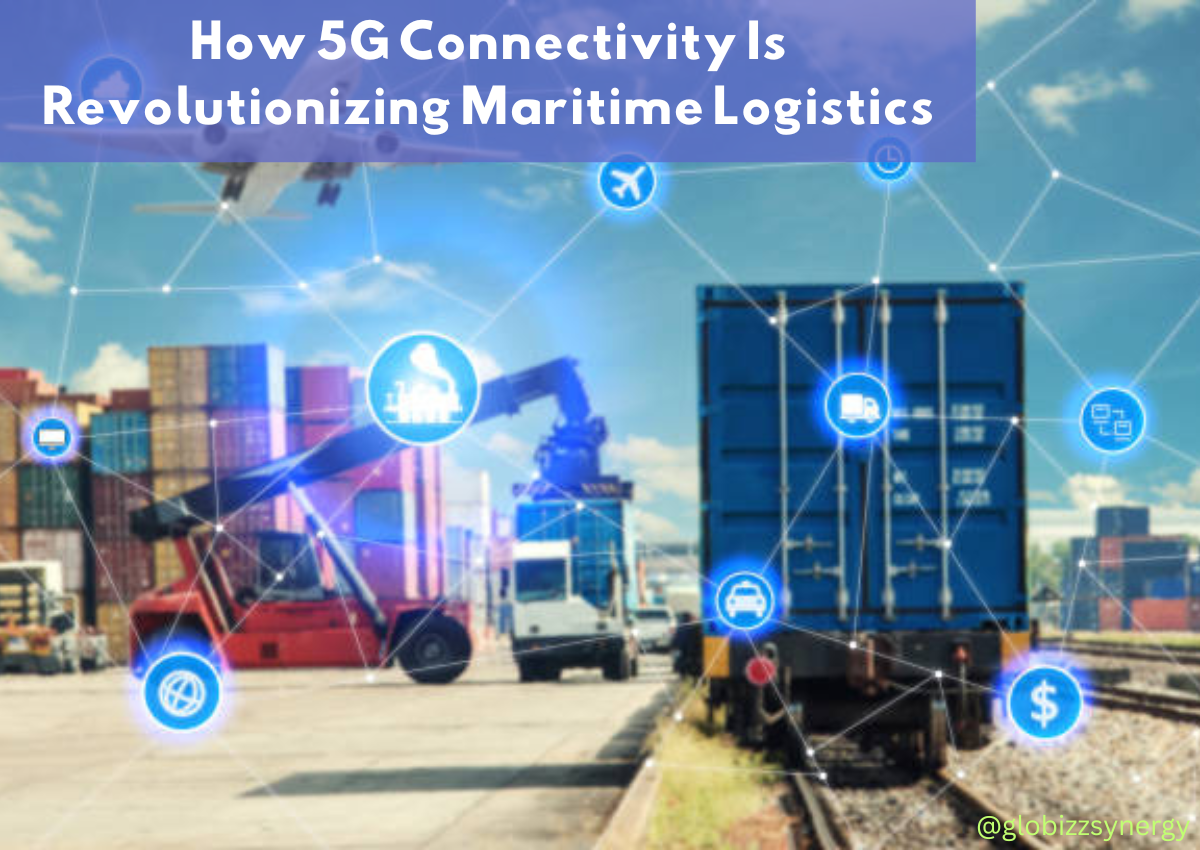
In the rapidly evolving world of global trade and logistics, ports are no longer just physical gateways—they are becoming digital hubs of innovation. One of the most groundbreaking advancements leading this transformation is the implementation of 5G technology in maritime logistics. This technological leap is being adopted by forward-thinking ports around the world to enhance operational efficiency and safety.
The Need for Digital Transformation in Maritime Logistics
The maritime industry handles over 80% of global trade by volume. Despite its significance, many ports still rely on outdated communication systems and manual processes. These inefficiencies result in delays, increased operational costs, and limited visibility across the supply chain. As global trade intensifies and environmental regulations tighten, there is an urgent need for smarter, faster, and more connected logistics systems.
Enter 5G—an ultra-fast, low-latency wireless technology that is setting new benchmarks for real-time communication, automation, and data-driven decision-making.
Smart Ports: Pioneering 5G Adoption
Progressive ports are setting new standards by integrating 5G connectivity into their operations. These ambitious initiatives enable seamless communication between port authorities, cargo ships, autonomous sea drones, and other smart infrastructure.
One of the standout features is the deployment of a “multi-hop” communication system. In this setup, 5G signals are transmitted from the port to vessels at sea via other ships acting as relay points. This extends connectivity up to 100 miles offshore, ensuring uninterrupted communication for incoming and outgoing vessels.
This real-time connectivity is a game-changer. Ships can now receive dynamic updates on docking schedules, weather alerts, navigational routes, and cargo handling processes—all without latency or signal loss.
How 5G Enhances Efficiency in Maritime Logistics
1. Real-Time Data Sharing
With 5G, port operators and shipping companies can access real-time data from various sources—vessels, sensors, surveillance systems, and logistics platforms. This allows for immediate decision-making, reducing waiting times at docks and streamlining cargo handling operations.
2. Improved Fleet Management
The integration of 5G supports GPS tracking and telemetry for ships and port vehicles. It enables predictive maintenance, automated inspections, and better resource allocation. Fleet managers can monitor engine health, fuel consumption, and cargo conditions in real-time.
3. Autonomous Operations
Ports are also exploring the use of autonomous sea drones for inspections and surveillance. Powered by 5G, these drones can navigate the port, inspect hulls for damage, and monitor restricted zones—boosting both safety and efficiency.
4. Enhanced Security
High-speed video surveillance and AI-powered analytics, supported by 5G, provide better situational awareness. Suspicious activities can be detected and addressed in real-time, reducing the risk of smuggling, theft, and unauthorized access.
5. Environmental Monitoring
Sustainability is a top priority for modern ports. 5G-enabled sensors can monitor air and water quality, track emissions, and ensure compliance with environmental regulations. This data is vital for creating greener, more sustainable logistics operations.
Challenges and Future Outlook
While the benefits are substantial, the implementation of 5G in maritime logistics is not without challenges. Infrastructure costs, regulatory barriers, and cybersecurity concerns must be addressed. Furthermore, widespread adoption will require collaboration among governments, telecom providers, and port authorities.
However, the potential is enormous. As more ports embrace this technology, we can expect a new era of hyper-connected, data-driven maritime logistics. From reduced turnaround times to enhanced operational safety, the ripple effects of 5G integration will be felt across the global supply chain.
Conclusion
The innovative use of 5G connectivity is a shining example of how technology can revolutionize traditional industries. By embracing 5G, ports can move beyond inefficiencies and enter a new phase of digital transformation.
For stakeholders in the maritime and logistics sectors, now is the time to invest in smart infrastructure and future-ready technologies. The future of maritime logistics is not just about moving goods—it’s about moving information faster, safer, and smarter.